
Depression
We offer Diagnosis & Counseling for Depression in Columbus, OH
Depression is a mood disorder marked by persistent sadness, despair, and withdrawal that can affect sleep, concentration, and daily life. At Safe Harbour Counseling, depression is treated with both accurate diagnosis and compassionate, individualized therapy so that clients can begin to find their way back.
Common Triggers*:
- Abuse. Physical, sexual, or emotional abuse can make you more vulnerable to depression later in life.
- Age. People who are elderly are at higher risk of depression. That can be made worse by other factors, such as living alone and having a lack of social support.
- Certain medications.
- Conflict. Depression in someone who has the biological vulnerability to it may result from personal conflicts or disputes with family members or friends.
- Death or a loss.
- Gender. Women are about twice as likely as men to become depressed. No one's sure why. The hormonal changes that women go through at different times of their lives may play a role.
- Genes. A family history of depression may increase the risk.
- Major events. Even good events such as starting a new job, graduating, or getting married can lead to depression. So can moving, losing a job or income, getting divorced, or retiring. However, the syndrome of clinical depression is never just a "normal" response to stressful life events.
- Other personal problems. Problems such as social isolation due to other mental illnesses or being cast out of a family or social group can contribute to the risk of developing clinical depression.
- Serious illnesses. Sometimes, depression happens along with a major illness or may be triggered by another medical condition.
- Substance misuse. Nearly 30% of people with substance misuse problems also have major or clinical depression. Even if drugs or alcohol temporarily make you feel better, they ultimately will aggravate depression.
* Stated from Anxiety and Depression Association of America
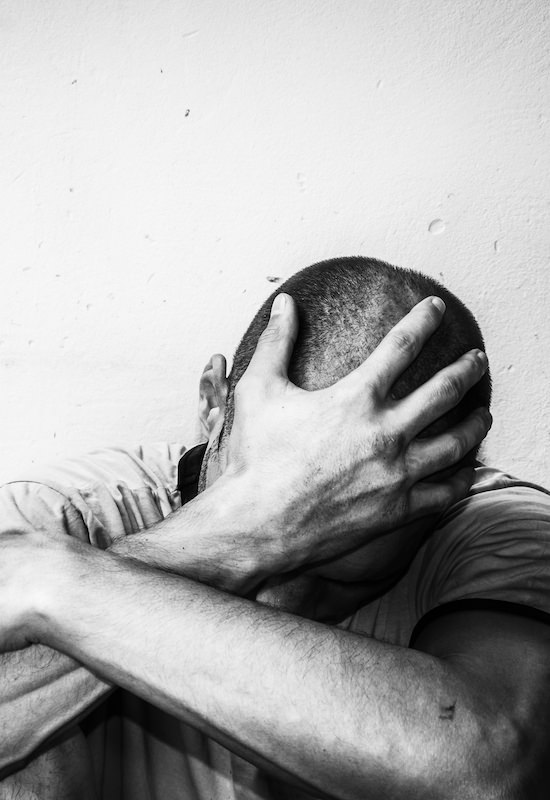
Common Signs or Indicators:
Feelings of sadness that won’t go away
Feeling like hope is lost
Feeling worthless
Anxiety
Loss of interest in things you used to like
Eating too much/too little
Unable to sleep
Unable to concentrate
No energy
Irritability
Headaches, or other pains in the body
Thoughts of suicide

Therapy Can Help those with Depression to:
Regulate emotions
Find hope
Have more positive thoughts and perceptions
Improve confidence & self-worth
Increase energy levels
Gain motivation
Live a happier life
Common Counseling Methods to Help with Depression:

Getting Help:
If you are struggling with depression, please seek professional help that you trust and connect with. Start with reaching out to people that you trust and do not isolate yourself as this will enhance your depression. If you are having thoughts of suicide, please reach out to a medical professional, call the Suicide Prevention Hotline at 800-273-8255, Call 911 or take yourself to the nearest hospital.
If someone you know is struggling with depression or suicidal thoughts, remember, people who are having suicidal thoughts often find difficulty thinking about anything else. Do not be scared to ask them if they are suicidal, because most likely, they are already thinking about it. Stay with them and get the help that is needed.