
Honoring Men’s Mental Health Month and Father’s Day
July 3, 2025
How to Begin Again After Grief or Loss
September 9, 2025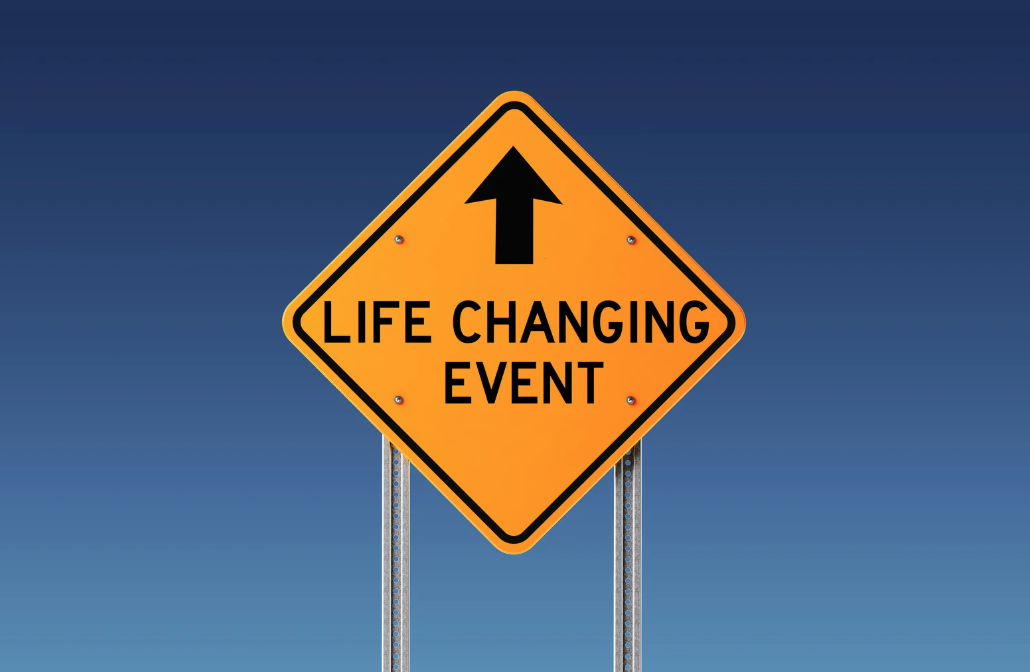
Life rarely moves in a straight line. At some point, each of us experiences events that shake our sense of normalcy—times when the foundation of our everyday life cracks and we’re forced to rebuild. These seismic disruptions are what author Bruce Feiler calls life quakes—a term that powerfully captures the emotional jolt of major transitions.
A life quake might arrive as a painful loss or a joyful surprise. It could be the end of a long-term relationship, a career shift, a health diagnosis, the death of a loved one, or even something hopeful like becoming a parent or exploring a new identity. Whether planned or completely unexpected, life quakes demand attention. They require us to reevaluate who we are, what matters, and how we want to move forward. This month, we’re diving into the emotional terrain of life transitions—exploring the chaos they bring, the clarity they offer, and how we can care for our mental health when the ground beneath us is shifting.
What Makes a Life Quake?
A life quake isn’t just any change. It’s a transformational event that disrupts our sense of identity, purpose, or structure. These moments are often:
- Unavoidable or unexpected
- Emotionally intense
- Disruptive to routines and roles
- Requiring a prolonged period of transition and healing
Examples of life quakes include:
- Divorce or separation
- Loss of a loved one
- Major illness or diagnosis
- Becoming a parent or caregiver
- Moving to a new city or country
- Career change or job loss
- Exploring gender or sexual identity
- Spiritual awakenings
- Natural disasters or global crises, such as the COVID-19 pandemic
No matter the cause, a life quake represents a before and after. It’s a turning point that requires not just coping—but transformation.
How to Navigate a Life Quake with Compassion and Clarity
When a life quake hits, it’s natural to feel untethered. Here are some strategies to help you stay grounded and begin the process of renewal:
1. Name the Experience
Sometimes just naming what you’re going through can be a relief. Instead of minimizing your feelings or trying to push through, say it plainly: I’m in the middle of a life quake. This validation can help shift your mindset from panic to intentional healing.
2. Honor All Emotions
Grief, anxiety, hope, confusion, relief—it’s all valid. Life transitions can stir up conflicting feelings that don’t always make sense. Journaling, talking to a therapist, or confiding in a trusted friend can help you process and make meaning from what you’re feeling.
3. Create Small Anchors of Routine
During uncertain times, focus on what *is* in your control. Making a cup of tea, walking your dog, or keeping a consistent bedtime might seem trivial, but small routines can provide powerful psychological stability when everything else feels chaotic.
4. Resist the Urge to Rush
We live in a culture that celebrates the quick rebound—but life quakes don’t follow a neat timeline. Give yourself permission to rest, reflect, and rebuild slowly. Transformation isn’t about “getting over it”; it’s about becoming something new.
5. Lean on Your Support Network
Isolation often deepens feelings of overwhelm. Whether it’s a friend who checks in regularly, a support group, or a therapist who helps you process what’s happening, staying connected is one of the most important things you can do.
6. Revisit Your Values
Transitions invite us to ask: What really matters now? You may find that what you once prioritized no longer aligns with the person you’re becoming. Let your core values serve as a compass while your new path is still forming.
7. Use Tools for Reflection and Growth
Workbooks, therapy tools, guided prompts, and mental health resources can help bring structure to an otherwise messy process. Consider tools that help you track emotional changes, set small goals, or understand the deeper patterns emerging from your experience.
Broader Perspectives on Life Transitions
Life quakes don’t just affect individuals—they often intersect with societal systems and broader challenges.
For example:
- Young adults transitioning from adolescence to adulthood face hurdles like shifting healthcare access, changing support systems, and identity development.
- New parents and those starting careers may struggle with imposter syndrome, exhaustion, or role confusion.
- People navigating climate anxiety may feel grief, anger, or fear due to ecological instability and natural disasters.
- These are all valid life quakes in their own right—deserving of the same support and compassion as more traditionally recognized transitions.
You Are Not Alone in This
Experiencing a life quake can make you feel like everything is falling apart. But these events—however painful—also offer a rare invitation: to rebuild your life with intention. To clarify your values. To shed old identities that no longer fit. And to step into a version of yourself that is wiser, stronger, and more aligned. You don’t have to go through this alone. At Safe Harbour Counseling, we understand how destabilizing major life transitions can be. Our compassionate team of therapists in Columbus, Ohio specializes in helping individuals, couples, and families process change—whether it comes through grief, trauma, anxiety, or self-discovery.
We believe in empowering your life, not just surviving your circumstances. Through personalized therapy and practical tools, Safe Harbour Counseling provides a supportive space for you to heal, grow, and find your footing again. Whether you’re navigating a painful ending or a new beginning, we’re here to walk with you every step of the way. Let us help you turn your life quake into a life transformation. For more information or to schedule a session, visit us at Safe Harbour Counseling today.