
Questions to Ask a Potential Therapist
July 14, 2023
Corporate In-House Therapy: Worthington Industries
October 9, 2023
Post-Traumatic Stress Disorder (PTSD) is a complex and debilitating mental health condition that can affect anyone who has experienced a traumatic event. While often associated with military combat, PTSD can develop as a result of various traumatic experiences, including accidents, natural disasters, or interpersonal violence. This article will explore what PTSD is, its symptoms, and the available treatment options for individuals who struggle with this condition.
What Is PTSD?
Post-Traumatic Stress Disorder, commonly referred to as PTSD, is a psychiatric disorder that can develop in individuals who have experienced or witnessed a traumatic event. Traumatic events are often characterized by life-threatening situations, severe injuries, or a threat to one’s physical and psychological well-being. It is essential to recognize that not everyone who experiences trauma will develop PTSD. The disorder’s onset and severity can vary widely from person to person.
Symptoms of PTSD
- Intrusion: Intrusive thoughts such as repeated, involuntary memories; distressing dreams; or flashbacks of the traumatic event. Flashbacks may be so vivid that people feel they are reliving the traumatic experience or seeing it before their eyes.
- Avoidance: Avoiding reminders of the traumatic event may include avoiding people, places, activities, objects and situations that may trigger distressing memories. People may try to avoid remembering or thinking about the traumatic event. They may resist talking about what happened or how they feel about it.
- Alterations in cognition and mood: Inability to remember important aspects of the traumatic event, negative thoughts and feelings leading to ongoing and distorted beliefs about oneself or others (e.g., “I am bad,” “No one can be trusted”); distorted thoughts about the cause or consequences of the event leading to wrongly blaming self or other; ongoing fear, horror, anger, guilt or shame; much less interest in activities previously enjoyed; feeling detached or estranged from others; or being unable to experience positive emotions (a void of happiness or satisfaction).
- Alterations in arousal and reactivity: Arousal and reactive symptoms may include being irritable and having angry outbursts; behaving recklessly or in a self-destructive way; being overly watchful of one’s surroundings in a suspecting way; being easily startled; or having problems concentrating or sleeping.
It’s important to note that these symptoms may appear shortly after the traumatic event or may take months or even years to manifest.
Causes of PTSD
PTSD is primarily caused by exposure to traumatic events. Common events that can lead to PTSD include:
- Combat experiences in the military.
- Physical or sexual assault.
- Natural disasters, such as hurricanes or earthquakes.
- Serious accidents, like car crashes.
- Witnessing or experiencing violence or abuse.
- Risk factors for developing PTSD may include a history of prior trauma, a family history of mental health issues, or a lack of support following a traumatic event.
Treatment Options for PTSD
Fortunately, there are several effective treatment options available for individuals suffering from PTSD. These treatments can help manage symptoms and improve an individual’s overall quality of life. Some common approaches include:
Psychotherapy (Talk Therapy):
- Cognitive-Behavioral Therapy (CBT): CBT helps individuals identify and change negative thought patterns and behaviors related to their trauma.
- Exposure Therapy: This therapy involves gradually and safely confronting the traumatic memories or situations that trigger distressing symptoms.
- Eye Movement Desensitization and Reprocessing (EMDR): EMDR uses guided eye movements to help process and reduce the distress associated with traumatic memories.
Medications:
- Antidepressants: Selective Serotonin Reuptake Inhibitors (SSRIs) and other antidepressants may help alleviate symptoms of depression and anxiety associated with PTSD.
Support Groups:
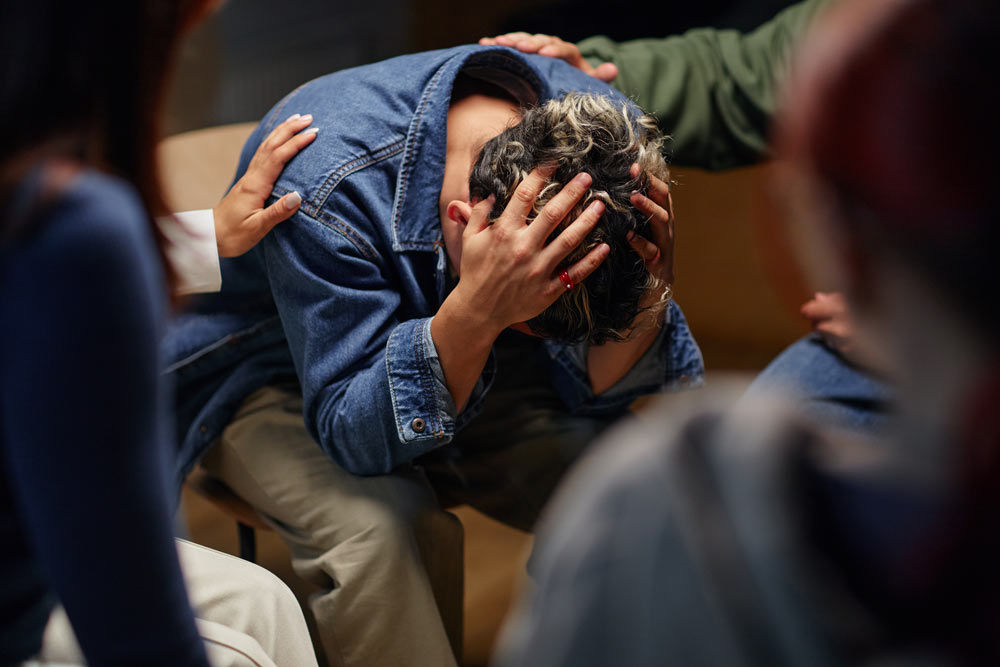
- Group therapy provides a safe space for individuals with PTSD to share their experiences, gain support, and learn coping strategies from others who have similar struggles.
Lifestyle Modifications:
- Regular exercise, a balanced diet, and adequate sleep can contribute to improved mental health and resilience against PTSD symptoms.