
Life Transitions Can Shake Us: Therapy Support During Times of Change
March 24, 2026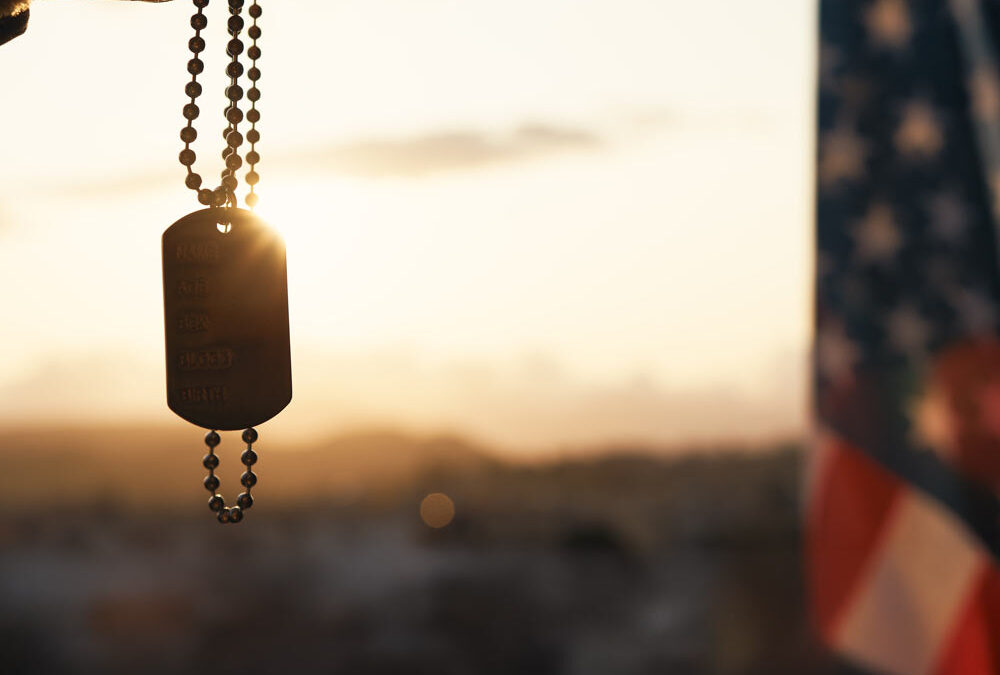
Ohio is home to one of the largest veteran populations in the country. Yet even in a state with so many who have served, life after service can feel isolating.
The structure shifts. The mission changes. The pace slows in some ways and intensifies in others.
At Safe Harbour Counseling, veterans can work with a therapist who understands military culture firsthand. Tami Childs is a Desert Storm Veteran with decades of experience serving within the Department of Defense, both in military and civilian roles.
For many veterans, knowing they will not need to explain the culture, language, or expectations of service makes it easier to begin.
Seeking veteran counseling is not about weakness. It is about having space to recalibrate, especially in a state where so many share the same background but still carry their own private burdens.
The Transition After Service Is Not Always Simple
Leaving military service is not just a career change. It is often a nervous system shift.
Veterans may notice:
- Difficulty standing down or relaxing
- Sleep disruptions
- Irritability or emotional distance
- Feeling disconnected from family or community
- Increased alcohol use or reliance on substances to cope
- A sense of lost purpose or identity
Some veterans seek PTSD counseling in Columbus after traumatic experiences. Others reach out because stress, addiction, or relationship strain have quietly built over time.
Not every struggle carries a diagnosis. But many carry weight.
When Mental Health and Addiction Overlap
For some veterans, alcohol or substance use begins as a practical attempt to cope — to sleep more easily, reduce anxiety, quiet intrusive thoughts, or manage physical pain. What starts as relief can gradually become another layer of stress.
Addiction and trauma often intersect. Hypervigilance, unresolved memories, chronic stress, and reintegration challenges can all increase vulnerability to substance use. At the same time, substance use can intensify symptoms of depression, anxiety, irritability, and relationship strain.
Addressing one without the other is often incomplete.
Veteran counseling can provide space to explore both mental health concerns and substance use patterns in a steady, nonjudgmental way. The focus is not on labels, but on understanding what coping strategies have been serving and where they may now be causing harm.
Support can include building alternative stress regulation tools, strengthening accountability, repairing strained relationships, and developing routines that promote long-term stability.
Healing does not require shame. It requires honesty, structure, and support.
Trauma and the Nervous System
Military training prepares the body to respond quickly and decisively. That responsiveness can save lives.
But after service, the same patterns can create strain. The nervous system may remain alert long after danger has passed.
PTSD counseling for veterans does not begin with revisiting every memory. It begins with safety. Regulation. Choice.
The goal is not to erase what happened. It is to help the body feel steadier in the present.
Why Working With a Veteran Therapist Can Matter
Many veterans hesitate to begin therapy because they worry about being misunderstood.
Tami’s lived experience as a Desert Storm Veteran means she is fluent in military culture — the language, the expectations, the unspoken codes. Her background includes decades of responsibility within the Department of Defense and close work with soldiers, veterans, and military families.
That shared understanding often reduces the need for explanation and allows therapy to move more directly toward meaningful work.
When It May Be Time to Reach Out
Veteran counseling may be helpful if:
- Alcohol or substances are becoming harder to manage
- Sleep or focus has significantly changed
- Relationships feel strained
- Anger or numbness feel constant
- You avoid reminders of certain experiences
- You feel isolated despite being surrounded by others
Support does not require a crisis. It requires willingness.
Frequently Asked Questions
Do I have to have PTSD to seek counseling?
No. Many veterans seek therapy for stress, addiction, relationship challenges, or life transitions.
Is addiction support part of counseling?
Yes. Therapy can address both substance use and the underlying stress or trauma that may contribute to it.
I don’t live near Columbus. Is support still available?
Yes. Veterans anywhere in Ohio can work with Tami through secure telehealth sessions. You do not need to be local to Columbus to receive consistent, confidential support.
Support That Respects Service and Strength
Veterans carry discipline, resilience, leadership, and sometimes, invisible strain.
Tami Childs offers veteran counseling in Columbus, Ohio for those navigating life after service, trauma, addiction, chronic stress, and major life transitions. Her approach is steady, respectful, and grounded in lived understanding of military culture.
To learn more about working with Tami or to book an appointment, visit:
👉 https://safeharbourcounselingcolumbus.com/tami-childs/
If you would prefer a free phone consultation or have questions first, you can reach out here:
👉 https://safeharbourcounselingcolumbus.com/contact/